Quarkus Native vs JIT: The Banking Reality Check
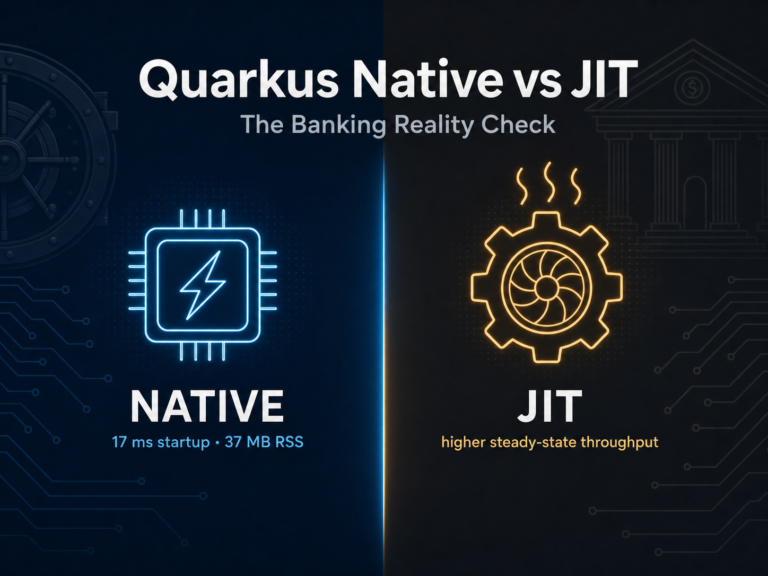
Quarkus native cuts startup to 17ms and RSS to 37MB - but Quarkus's own 2026 lab says going native roughly halves throughput. A banking decision guide.

Quarkus native cuts startup to 17ms and RSS to 37MB - but Quarkus's own 2026 lab says going native roughly halves throughput. A banking decision guide.
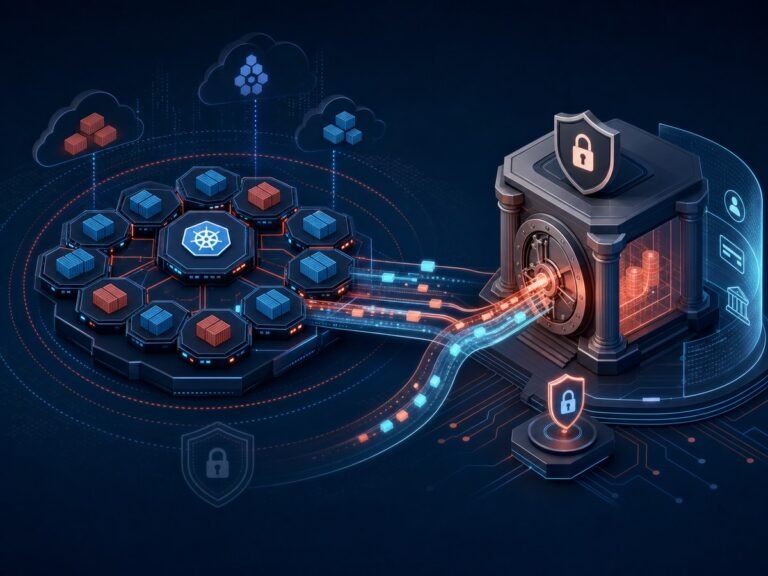
Is OpenShift right for banking platform engineering? GitOps, FIPS security, and a UPI-scale pattern — plus 5 real OpenShift alternatives for BFSI.
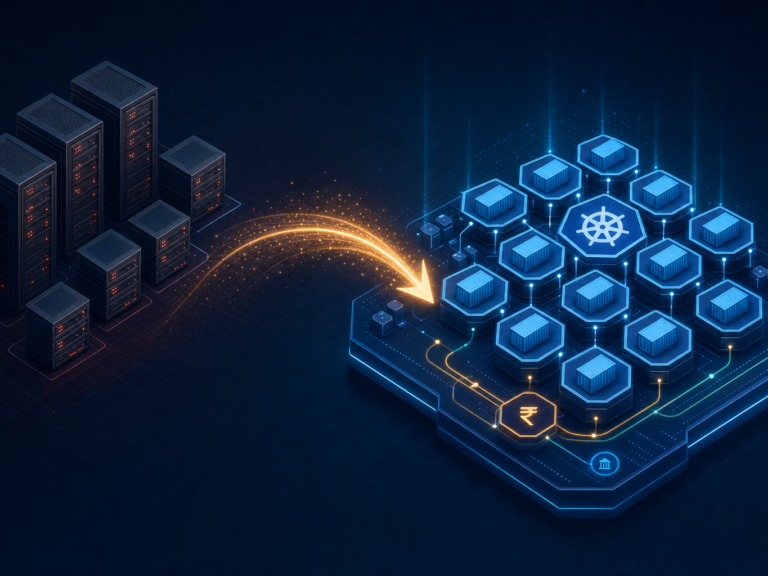
Model in Image vs Domain on PV, the four WDT model edits that decide whether the domain boots, and a payments cutover plan that survives a UPI peak.
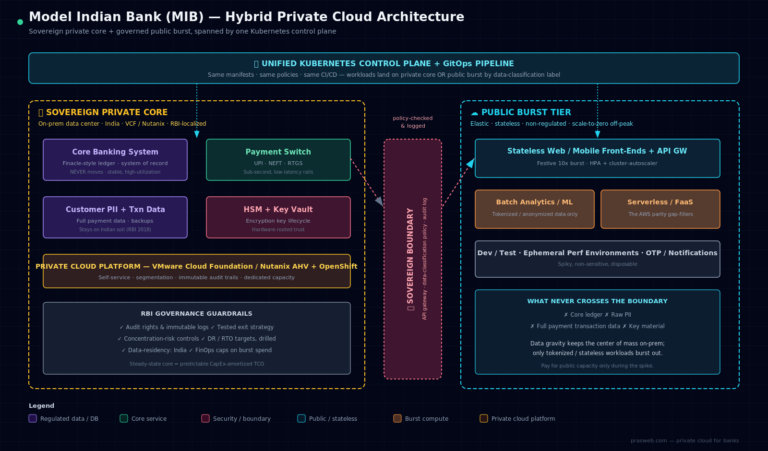
VCF vs OpenStack vs Nutanix, RBI compliance, AWS parity gaps, and a defensible hybrid-cloud blueprint.
A complete AWS SAA-C03 exam guide: domains, must-know services, hands-on labs, and a 6–8 week study plan to pass the Solutions Architect Associate in 2026.
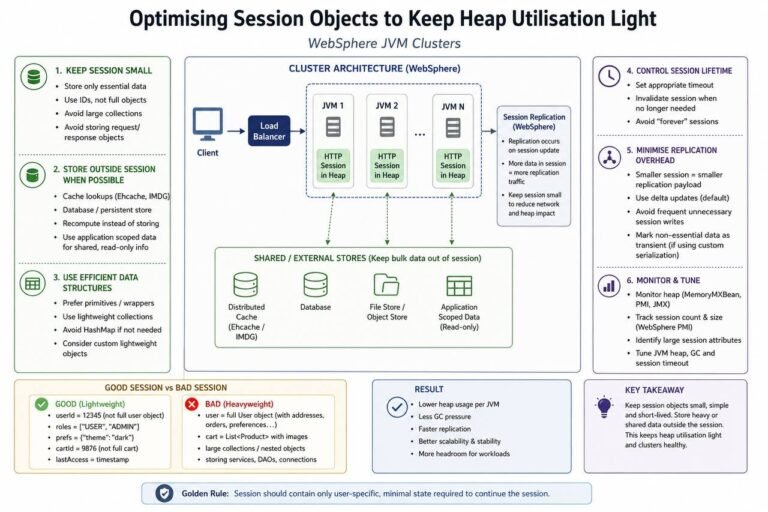
Heavy HTTP session objects can silently increase heap pressure, slow down cluster replication, and make failover expensive in enterprise J2EE applications. This post explains how to keep session state lightweight, use DTOs efficiently, and move suitable data into caching platforms like IBM WebSphere eXtreme Scale, Oracle Coherence, or Redis.
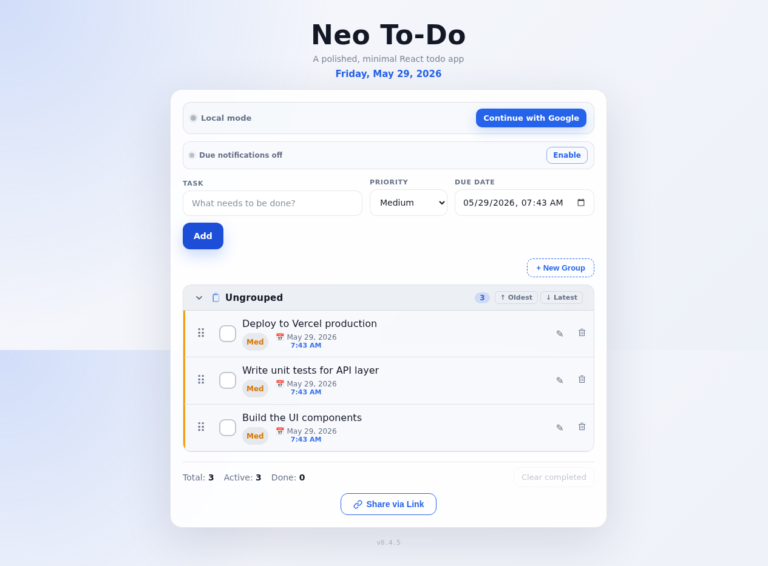
Neo To-Do is a polished, minimal React to-do app built with Vite. This post covers the user experience and the technical architecture — from drag-and-drop with @dnd-kit to lz-string share links and PWA offline support.
Most enterprises running Oracle WebLogic accept a quiet tax: over-provisioned infrastructure running at a fraction of its capacity. The WebLogic Kubernetes Operator changes that equation. Here's how, with real cost numbers and production-ready YAML.
Choosing a cloud provider in 2026 is a strategic decision that shapes your architecture and costs for years. A data-driven comparison of AWS, Azure, GCP, and OCI — including India region pricing, managed Kubernetes costs, the GCP May 2026 egress hike, and an honest assessment of OCI's strengths and limitations.
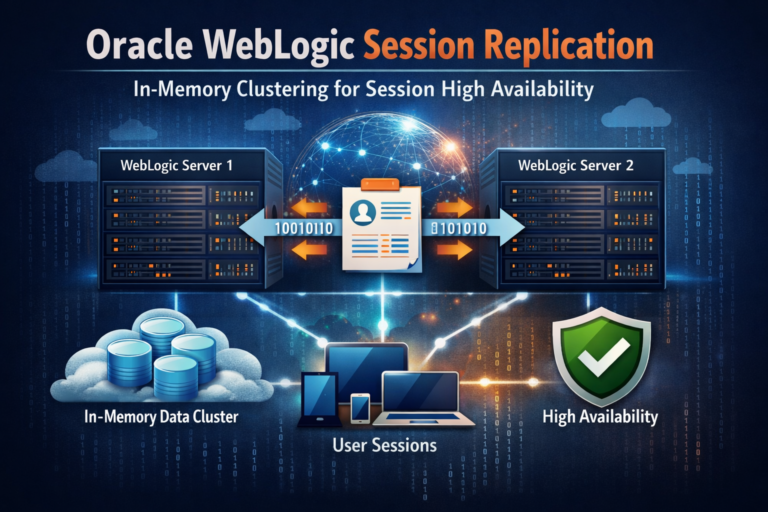
WebLogic's built-in session replication gives you high availability session management at the application tier — no Redis, no sticky sessions, no load balancer dependency.